Flue Filters
Filtration systems combining process-specific stages for smoke, grease, dust and target gaseous compounds in exhaust streams.
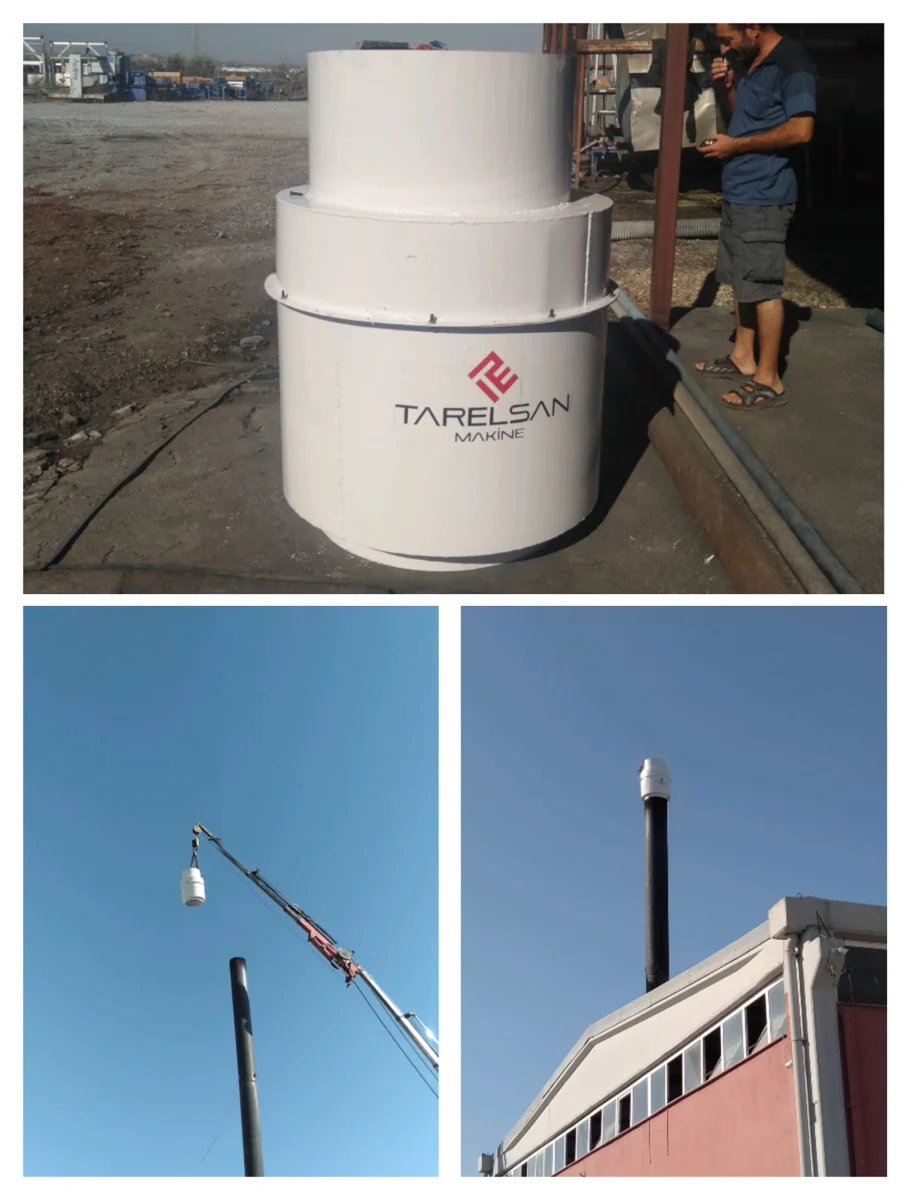
How does it work?
Flue filtration starts with identifying the emission rather than choosing a single device type. Electrostatic, wet scrubbing, gas washing and activated carbon stages can be combined according to the pollutant.
- Emission assessment
- Suitable treatment stages
- Controlled discharge
Applications
- Foundries and metalworking plants
- Paint, leather and chemical processes
- Kitchen and industrial exhaust systems
Key approach
- Design matched to the pollutant
- Layout adapted to the existing flue
The right choice starts with the right data.
The following information is assessed together when selecting a system. Airflow, power, dimensions and performance values are determined for each project.
- Gas composition and temperature
- Particulate loading and airflow
- Ductwork, flue and service access
Application note
Water, carbon or electrostatic filtration alone is not sufficient for every pollutant. Treatment stages are selected using process data.
Frequently asked questions
How is the right system selected?
Air or process characteristics, capacity requirements and installation conditions are assessed together. The technical scope is confirmed for your application during quotation.